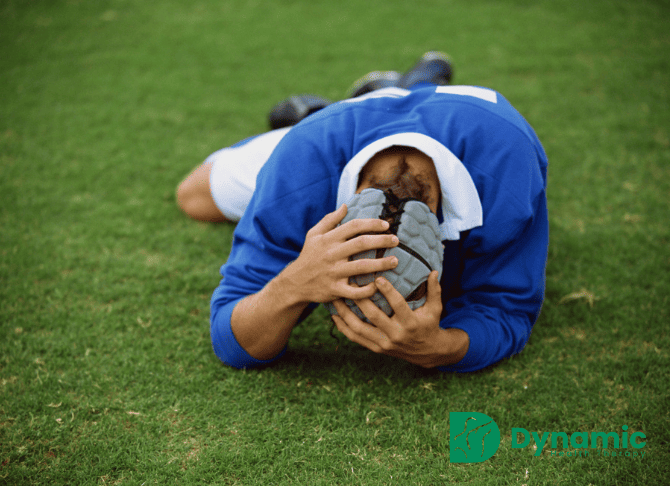

A concussion does not always look dramatic. Some people lose consciousness or vomit immediately. Others walk away from the incident and only notice headache, dizziness, light sensitivity, poor concentration, or unusual fatigue later that day.
That uncertainty is exactly why a possible concussion should be taken seriously. The first priority is medical assessment to rule out a more serious head or neck injury. Once urgent concerns have been addressed, a concussion assessment can help guide recovery and a safe return to work, school, exercise, or sport.
Important: This article is educational and does not replace urgent medical care. After a head injury, seek immediate medical attention for loss of consciousness, repeated vomiting, seizure, worsening headache, double vision, weakness or numbness, increasing confusion, or unusual behaviour.
Symptoms That Can Point to a Concussion
Concussion symptoms can affect more than the head. They may involve physical comfort, thinking, balance, mood, or sleep. Common concerns include:
- Headache or pressure in the head.
- Dizziness, nausea, or balance problems.
- Blurred vision or sensitivity to light and noise.
- Feeling slowed down, foggy, or unusually tired.
- Difficulty concentrating or remembering information.
- Changes in sleep, mood, or irritability.
- Neck pain or stiffness after the injury.
Symptoms can begin immediately or develop later. You do not need to lose consciousness to have a concussion.
Rest Matters — but Complete Rest Is Not the Whole Plan
The first 24 to 48 hours usually involve relative rest: reducing activities that clearly worsen symptoms while still allowing basic daily movement and light activity as tolerated. After that early period, current Canadian concussion guidance supports a gradual return to cognitive and physical activity rather than prolonged total inactivity.
This is where individualized rehabilitation becomes useful. The right progression depends on symptoms, previous concussions, work or school demands, and the activities you need to return to.
What Happens During a Concussion Assessment?
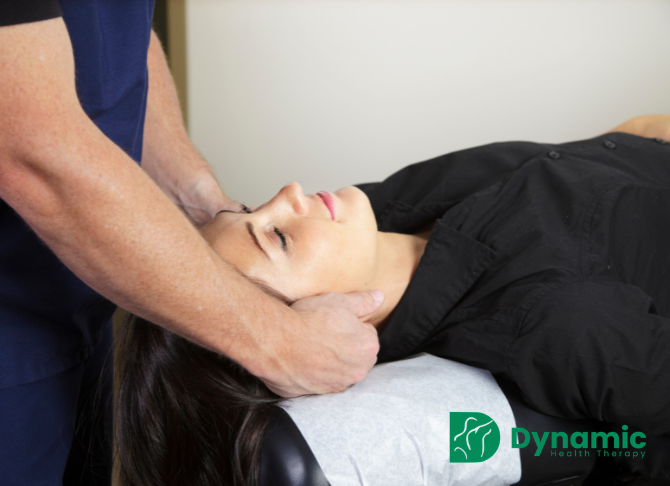
Dynamic Health Therapy’s Injuries and Concussion service describes a detailed assessment using neurological, cognitive, and physical testing to understand symptoms and help determine the appropriate rehabilitation approach.
Your first assessment may include questions about:
- How the injury happened and when symptoms began.
- Any loss of consciousness, memory gap, or immediate symptoms.
- Previous concussions or head injuries.
- Headache, dizziness, balance, vision, or neck symptoms.
- Changes in concentration, sleep, mood, or daily function.
- What you need to return to: work, school, driving, exercise, or sport.
The clinician may then use physical, cognitive, neurological, and movement-based tests to establish a baseline and build an individualized recovery plan.
When Should You Book a Concussion Assessment?
A concussion assessment may be appropriate when:
- Symptoms continue after the initial medical evaluation.
- You are unsure how much activity is safe.
- Headache, dizziness, balance, or concentration problems are affecting daily life.
- You need a structured return-to-work, school, or sport plan.
- Symptoms improve and then return when activity increases.
- You have had previous concussions and want a more closely managed recovery.
What Rehabilitation May Focus On
Concussion rehabilitation is not identical for every patient. Depending on the assessment, care may focus on symptom management, neck and physical findings, balance, gradual activity progression, and planning a safe return to normal routines.
The goal is not to push through symptoms or to remain inactive indefinitely. It is to find the right amount of activity, monitor the response, and progress in a controlled way.
Do Not Guess Your Way Back to Sport or Work
Feeling “mostly better” is not always the same as being ready for unrestricted activity. A structured assessment can help identify symptoms that only appear with concentration, exertion, balance challenges, or more demanding movement.
If you are not sure whether it is safe to return to work, school, driving, training, or competition, get professional guidance first.
Concerned about symptoms after a head injury?
After urgent medical concerns have been ruled out, book a concussion assessment in Keswick or review Dynamic’s Injuries and Concussion service.