
As soon as the temperature drops, many people notice their knees, hips, hands or back feel stiffer. Some say they can tell when a storm is coming before the forecast does.
Research on weather and joint pain is mixed. Some studies find a link and others don’t. What is clear is that a lot of people feel worse in winter, and there are practical things you can do about it.
Why Joints Feel Worse in Winter
There are a few likely reasons:
- You move less. Shorter days and icy sidewalks keep people indoors. Joints stiffen when they don’t move.
- Muscles tighten in the cold. Cold muscles are less flexible, which puts more load on the joints they support.
- Changes in air pressure. Some people with arthritis seem more sensitive to pressure changes before a storm.
- Winter chores. Shoveling, scraping the car and carrying heavy loads add sudden strain.
If you already live with arthritis or an old injury, these factors add up.
Shoveling is one of the biggest winter strains on the back and joints. Our shoveling guide shows how to do it safely.
Simple Winter Habits That Help
- Keep moving every day. Short walks indoors, gentle stretches or a stationary bike all count. Consistency matters more than intensity.
- Warm up before you go out. A few minutes of gentle movement before shoveling or a winter walk prepares your joints.
- Dress for it. Layers, gloves and knee warmers keep the joints and the muscles around them warm.
- Use heat for stiffness. A warm shower or heating pad helps many people loosen up in the morning. Our post on ice vs heat explains when each one fits.
- Watch your footing. Good boots with grip reduce the risk of slips that can injure an already sore joint.
How Physiotherapy Can Help
Physiotherapy is a common part of managing arthritis and long-term joint pain. Your physiotherapist assesses how your joints move, where you’re weak or stiff, and what daily activities cause trouble.
From there, treatment usually combines:
- Exercises to build strength around the joint
- Hands-on techniques to improve movement
- A home program you can keep up through the winter
- Advice on pacing activities like shoveling
The goal is to keep you active and comfortable, not just to get through a bad week.
Other Options at Our Clinic
Some people combine physiotherapy with other care:
- Medical acupuncture, often used for chronic conditions such as arthritis.
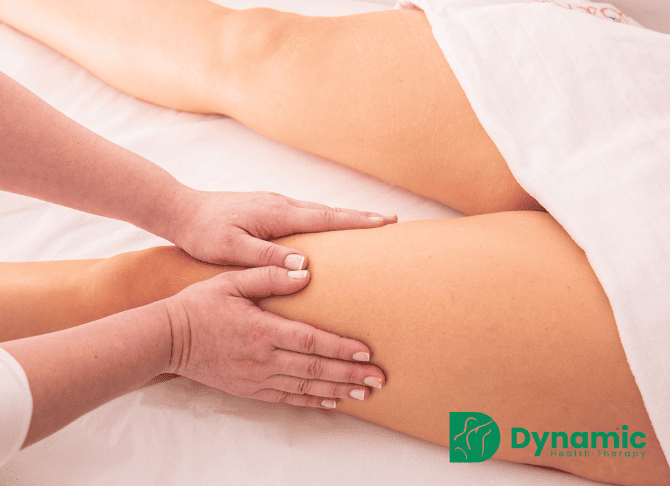
- Massage therapy to ease tight muscles around sore joints.
If you’re an older adult, our post on physiotherapy for seniors covers balance, strength and staying independent.
When to Book an Appointment
Book an assessment if joint pain stops you from doing normal things, wakes you at night, or keeps getting worse over a few weeks. See a doctor promptly if a joint becomes red, hot and swollen, or if you can’t put weight on it.
If you have extended health benefits, check what is left before your plan resets. Our year-end benefits guide shows you how.
Dynamic Health Therapy is at 24018 Woodbine Ave, Unit 4, in Keswick. Book your appointment online or call us at 905-535-3330.
This article is for general information. It does not replace an assessment by a regulated health professional.