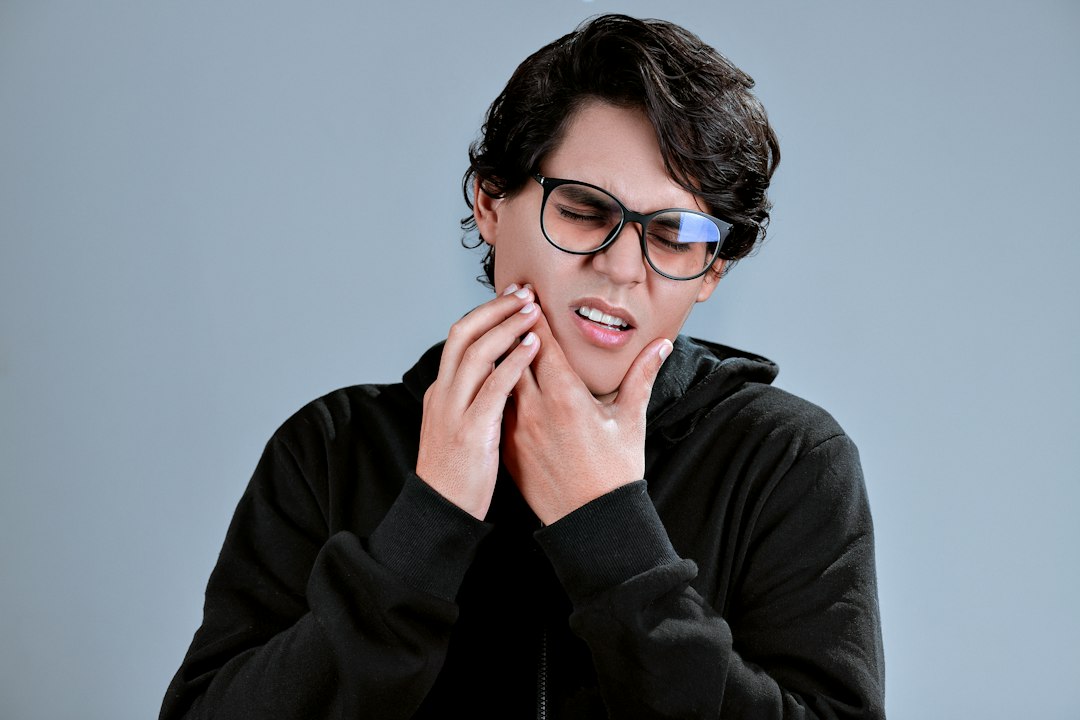

Your jaw works all day. You talk, chew, swallow and, for many people, clench without noticing. When the joint or the muscles around it get irritated, everyday things like eating a sandwich or yawning start to hurt.
That joint is the temporomandibular joint, or TMJ. You have one on each side of your face, just in front of your ears. Problems with it are often called TMJ disorder or TMD.
This guide covers the common signs, what tends to cause them, and how hands-on care at our Keswick clinic fits in.
Common Signs of a TMJ Problem
- Pain or tenderness in the jaw, face or around the ear
- Clicking, popping or grinding when you open or close your mouth
- A jaw that feels tight, tired or stuck
- Trouble opening your mouth fully
- Headaches near the temples
- Neck or shoulder tension that comes with the jaw pain
You don’t need all of these. Some people only notice a click. Others feel a dull ache by the end of the day.
What Causes Jaw Pain
There is rarely one cause. These are the most common contributors:
- Clenching or grinding. Many people do this at night or during stressful moments without realizing it.
- Stress. Tension often settles in the jaw, neck and shoulders together.
- Posture. Long hours at a desk or on a phone pull the head forward. That changes how the jaw and neck muscles work.
- Injury. A fall, a sports hit or a car accident can strain the joint.
- Joint changes. Arthritis or wear in the joint itself.
Winter adds its own pressure. Colder days often mean more clenching, and the holiday season brings extra stress for a lot of people.
If your jaw pain started after a collision, our guide on what to do after a car accident covers the next steps.
How Osteopathic Manual Therapy Can Help
Osteopathic manual therapy looks at how the jaw connects to the rest of the body, especially the neck, upper back and skull. An Osteopathic Manual Practitioner uses gentle hands-on techniques to ease tension and improve movement in those areas.
At Dynamic Health Therapy, Sean-Michael Latimour works with TMJ disorder as part of his osteopathic practice. Your first visit includes questions about your symptoms and history, followed by an assessment of how your jaw, neck and posture move together. Learn more about osteopathy at our clinic.
How Massage Therapy Can Help
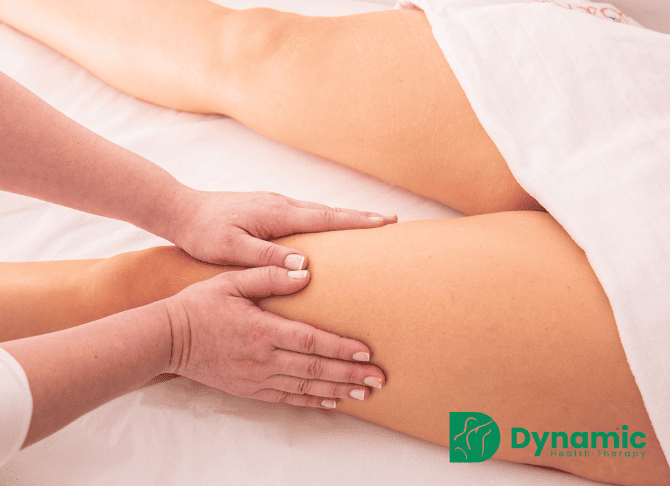
The jaw muscles are some of the strongest in the body. When they stay tight, they pull on the joint. Massage therapy focuses on those muscles and the ones around them in the face, neck and shoulders.
Many people notice their jaw feels looser after treatment. If your jaw pain comes with headaches, our post on massage therapy for headaches covers how the two connect. Read more about massage therapy in Keswick.
Simple Habits That Support Your Jaw
- Notice when you clench. Rest your tongue on the roof of your mouth with your teeth slightly apart.
- Choose softer foods for a few days when the jaw is sore.
- Avoid chewing gum and very chewy foods during a flare-up.
- Take short breaks from screens and check your head position.
- Use a warm compress on tight jaw muscles if it feels good.
These habits help, but they don’t replace an assessment if the pain keeps coming back.
When to Book an Assessment
Book a visit if your jaw pain lasts more than a week or two, keeps returning, limits how you eat or talk, or comes with regular headaches. If your jaw locks open or closed, or the pain started after a hit to the face, get it checked promptly.
Your dentist is also an important part of TMJ care, especially if you grind your teeth at night. Hands-on therapy and dental care often work well together.
Book TMJ Care in Keswick
Dynamic Health Therapy is at 24018 Woodbine Ave, Unit 4, in Keswick, serving Georgina and nearby communities. Book your appointment online or call us at 905-535-3330.
This article is for general information. It does not replace an assessment by a regulated health professional.